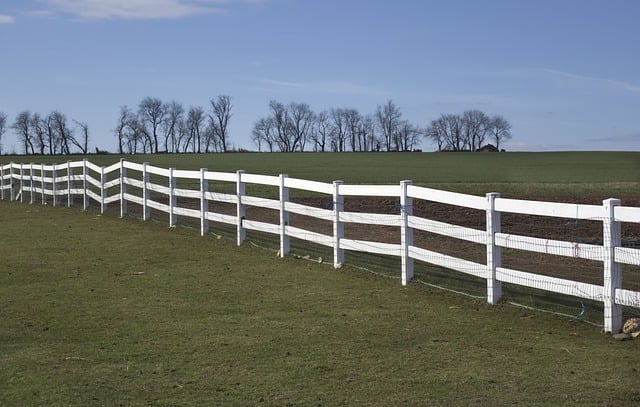
In the quest for outdoor privacy, a well-installed fence can transform your New Bedford, MA, space into a peaceful sanctuary. This comprehensive guide delves into the world of privacy fences, offering insights on various types, benefits, and design considerations tailored to local preferences. From choosing the right materials to navigating installation and post-care, we ensure you’re equipped with all the knowledge needed. Understanding local regulations and permits is also crucial; we’ll help you navigate these aspects seamlessly.
- Understanding Privacy Fences: Benefits and Types
- Why Choose New Bedford for Installation?
- Planning Your Fence: Design and Material Considerations
- The Installation Process: Step-by-Step Guide
- Post-Installation Care: Maintaining Your Privacy
- Local Regulations and Permits: What You Need to Know
Understanding Privacy Fences: Benefits and Types
Privacy fences serve as more than just physical barriers; they are functional artworks designed to safeguard personal spaces while enhancing curb appeal. These structures come in various types, each offering unique benefits tailored to different needs and preferences. For instance, wooden privacy fences exude a classic charm, increasing property value and providing a natural buffer against prying eyes. On the other hand, vinyl fences are low-maintenance alternatives that retain their aesthetics over time, making them popular choices for homeowners seeking durability and ease of care.
Beyond visual appeal, privacy fences provide a sense of security and peace of mind. They shield outdoor living spaces from unwanted gazes, fostering an environment conducive to relaxation and entertainment. Additionally, these fences can muffle noise pollution, creating a quieter sanctuary within the bustling city of New Bedford, MA. Whether for aesthetic or practical reasons, understanding the diverse array of privacy fence options empowers homeowners to make informed decisions that align with their lifestyles and preferences.
Why Choose New Bedford for Installation?
New Bedford, MA, is an ideal location for privacy fence installation for several reasons. The city’s diverse landscape offers a range of suitable environments for different types of fences, from wood and vinyl to chain link and iron. Additionally, New Bedford’s strong community spirit means neighbors are more likely to support each other’s efforts to enhance their properties, creating a harmonious environment.
The region’s mild climate makes it an all-year-round project, with fewer extreme weather conditions that could delay installation compared to other areas. Moreover, local regulations and building codes are relatively straightforward, streamlining the approval process for fence installations, ensuring your privacy measures are not only effective but also legally compliant.
Planning Your Fence: Design and Material Considerations
When planning your privacy fence in New Bedford, MA, consider the design to suit your aesthetic preferences and property layout. Start by assessing your yard’s dimensions, landscaping features, and any structural elements that might influence fence placement. Choose a style—from traditional wooden planks to modern metal panels—that aligns with your home’s architecture and personal taste. Ensure accessibility for maintenance, like cleaning and repairs, when selecting materials and designing the fence’s height and top treatments.
Material selection is crucial for both durability and aesthetics. Traditional options include wood, known for its natural look but requiring regular upkeep, or vinyl, low-maintenance but less customizable. Metal fences offer a modern, sleek design with excellent longevity but can be more expensive. Consider climate conditions, local regulations regarding fence materials, and your budget when making this choice to ensure the best privacy fence for your New Bedford property.
The Installation Process: Step-by-Step Guide
The installation process for a privacy fence begins with a thorough site assessment to determine the best type of fence for your property and needs. Our team measures the perimeter, takes note of any obstructions like trees or utility lines, and discusses your preferences for materials, height, and style.
Next, we lay out the fence line precisely, marking where each post will be placed. Holes are dug for the posts, which are then set in concrete to ensure stability and durability. The vertical fence panels are securely attached to the posts, creating a strong barrier. Finally, we finish with a top rail and any additional accessories like gates or latticework, providing both privacy and aesthetic appeal.
Post-Installation Care: Maintaining Your Privacy
After your privacy fence is installed, proper care will ensure it remains effective in safeguarding your privacy. Regular cleaning and maintenance are crucial to keeping the fence in top condition. This includes brushing off any debris or leaves that accumulate on the fence’s surface, especially after storms or high winds. Using a soft-bristled brush or garden hose can help remove dirt and maintain the fence’s aesthetic appeal.
Additionally, inspect the fence for any signs of damage or wear and tear. Promptly repair or replace any broken boards, posts, or hardware to maintain the integrity of your privacy barrier. Applying a fresh coat of paint or sealant every few years can also protect the fence from the elements, prolonging its lifespan and preserving your investment.
Local Regulations and Permits: What You Need to Know
When installing a privacy fence in New Bedford, MA, it’s crucial to understand local regulations and permit requirements. Different municipalities have specific rules regarding fence height, materials, and placement. Failure to comply with these guidelines can result in fines or even the need to remove the fence. Before beginning construction, consult the local building department or check online resources to gather information about zoning ordinances related to fences.
Obtaining the necessary permits is a critical step in ensuring your project stays in compliance. Permits usually involve submitting detailed plans that specify the fence’s dimensions, materials, and location. It may also be necessary to prove property lines and ensure the fence doesn’t encroach on neighboring properties. Always review the application requirements carefully and provide all necessary documentation to streamline the approval process.